Treating Tarsal Tunnel Syndrome

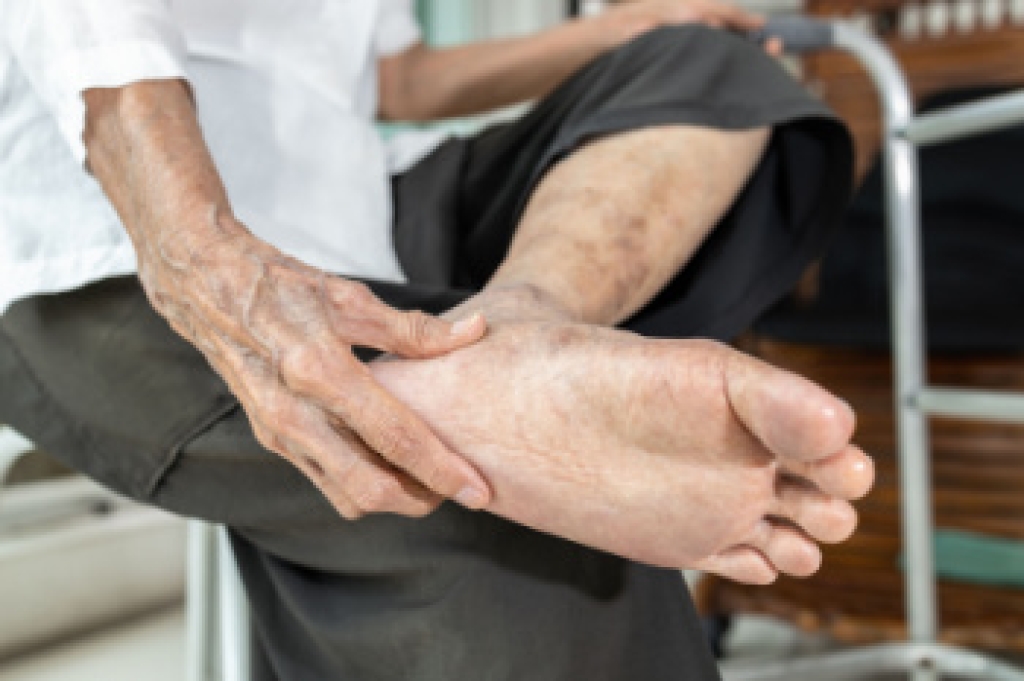
Tarsal tunnel syndrome is a condition where the tibial nerve, located near the ankle, becomes compressed as it passes through the tarsal tunnel, a narrow space inside the ankle. This can cause pain, tingling, and numbness in the foot and ankle, often radiating into the toes. Symptoms may worsen with prolonged standing, walking, or physical activity. A podiatrist diagnoses tarsal tunnel syndrome through a physical examination, reviewing the patient’s symptoms, and conducting tests, such as nerve conduction studies or imaging, to identify nerve compression. Treatment usually begins with conservative methods like rest and targeted stretching exercises to alleviate pressure on the tibial nerve. In some cases, corticosteroid injections may be used to reduce inflammation and in severe cases surgery may be needed to release the compressed nerve. If you have symptoms as described, it is suggested that you schedule an appointment with a podiatrist who can offer relief that will restore function to the affected foot.

Tarsal tunnel syndrome can be very uncomfortable to live with. If you are experiencing tarsal tunnel syndrome, contact one of our podiatrists of VIP Foot & Ankle Center. Our doctors can provide the care you need to keep you pain-free and on your feet.

Tarsal Tunnel Syndrome

Tarsal tunnel syndrome, which can also be called tibial nerve dysfunction, is an uncommon condition of misfiring peripheral nerves in the foot. The tibial nerve is the peripheral nerve in the leg responsible for sensation and movement of the foot and calf muscles. In tarsal tunnel syndrome, the tibial nerve is damaged, causing problems with movement and feeling in the foot of the affected leg.

Common Cause of Tarsal Tunnel Syndrome

  • Involves pressure or an injury, direct pressure on the tibial nerve for an extended period of time, sometimes caused by other body structures close by or near the knee.
  • Diseases that damage nerves, including diabetes, may cause tarsal tunnel syndrome.
  • At times, tarsal tunnel syndrome can appear without an obvious cause in some cases.

The Effects of Tarsal Tunnel Syndrome

  • Different sensations, an afflicted person may experience pain, tingling, burning or other unusual sensations in the foot of the affected leg.
  • The foot muscles, toes and ankle become weaker, and curling your toes or flexing your foot can become difficult.
  • If condition worsens, infections and ulcers may develop on the foot that is experiencing the syndrome.

A physical exam of the leg can help identify the presence of tarsal tunnel syndrome. Medical tests, such as a nerve biopsy, are also used to diagnose the condition. Patients may receive physical therapy and prescriptive medication. In extreme cases, some may require surgery.

If you have any questions please contact our office located in Pembroke Pines, FL . We offer the newest diagnostic and treatment technologies for all your foot and ankle needs.

Read more about Treating Tarsal Tunnel Syndrome

Causes and Prevention of Foot Puncture Wounds

Foot puncture wounds are injuries caused by sharp objects piercing the skin, often resulting from accidental trauma. These injuries are commonly seen when individuals step on nails, broken glass, or other pointed materials. Although the external wound may appear minor, the internal damage can be more significant. Bacteria can enter deep into the tissue, creating an environment where infection can develop quickly. Recognizing how these injuries occur helps individuals take steps to protect their foot health.

The symptoms of a puncture wound can vary depending on the depth and severity of the injury. Initial signs often include bleeding, localized pain, and sensitivity when pressure is applied. As the body responds, swelling and redness may appear around the affected area. If infection develops, additional symptoms like warmth, drainage, and increased pain may occur. These signs indicate that the body is reacting to bacteria introduced during the injury. Prompt attention to these symptoms is important for preventing further complications.


Several risk factors can increase the likelihood of sustaining a puncture wound or developing complications. Walking barefoot in unfamiliar or unsafe environments is one of the most common causes. Footwear that lacks proper protection can also allow sharp objects to penetrate the sole. Occupational hazards, outdoor activities, and cluttered living spaces may further increase risk. Preventative strategies include wearing durable shoes, keeping living and work areas free of sharp debris, and remaining cautious in high risk environments.


In summary, foot puncture wounds are preventable injuries that require careful attention due to the risk of infection. Protecting the feet with appropriate footwear and avoiding barefoot exposure are simple yet effective measures. If you have incurred a foot puncture wound or notice signs of infection, it is strongly suggested that you promptly consult a podiatrist for effective relief and treatment solutions.

Wound care is an important part in dealing with diabetes. If you have diabetes and a foot wound or would like more information about wound care for diabetics, consult with one of our podiatrists from VIP Foot & Ankle Center. Our doctors will assess your condition and provide you with quality foot and ankle treatment.

What Is Wound Care?

Wound care is the practice of taking proper care of a wound. This can range from the smallest to the largest of wounds. While everyone can benefit from proper wound care, it is much more important for diabetics. Diabetics often suffer from poor blood circulation which causes wounds to heal much slower than they would in a non-diabetic. 

What Is the Importance of Wound Care?

While it may not seem apparent with small ulcers on the foot, for diabetics, any size ulcer can become infected. Diabetics often also suffer from neuropathy, or nerve loss. This means they might not even feel when they have an ulcer on their foot. If the wound becomes severely infected, amputation may be necessary. Therefore, it is of the upmost importance to properly care for any and all foot wounds.

How to Care for Wounds

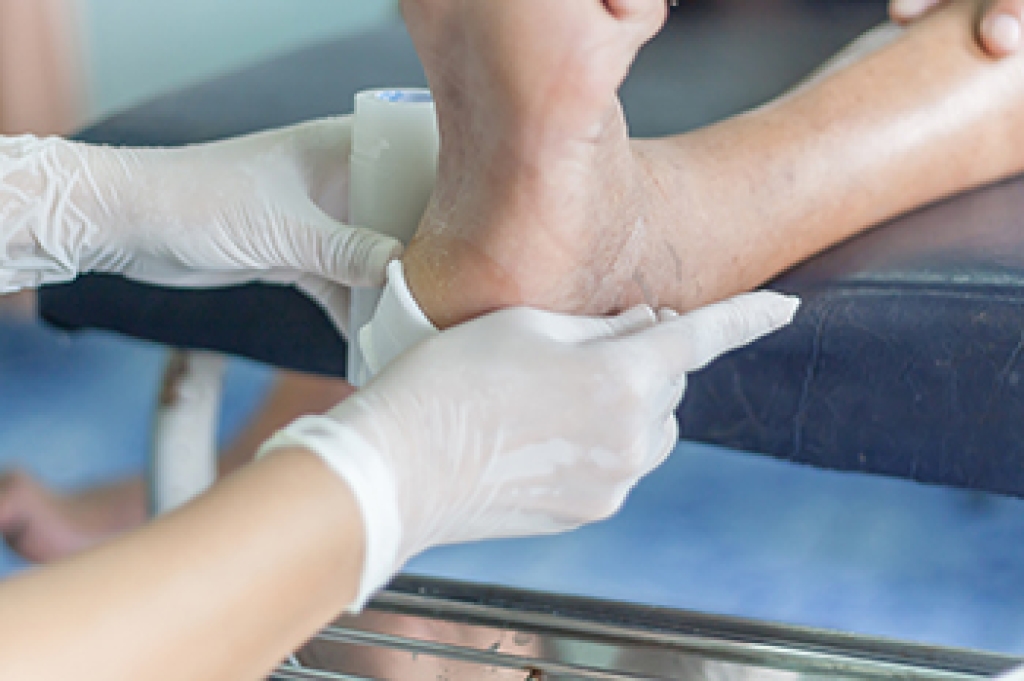
The best way to care for foot wounds is to prevent them. For diabetics, this means daily inspections of the feet for any signs of abnormalities or ulcers. It is also recommended to see a podiatrist several times a year for a foot inspection. If you do have an ulcer, run the wound under water to clear dirt from the wound; then apply antibiotic ointment to the wound and cover with a bandage. Bandages should be changed daily and keeping pressure off the wound is smart. It is advised to see a podiatrist, who can keep an eye on it.

If you have any questions please contact our office located in Pembroke Pines, FL . We offer the newest diagnostic and treatment technologies for all your foot and ankle needs.

Read more about Wound Care

Achilles Tendon Injuries in Tennis Players

Achilles tendon injuries are a frequent concern for tennis players due to the high demand for explosive movement, quick acceleration, and sudden direction changes. The Achilles tendon connects the calf muscles to the heel bone and plays a vital role in push-off strength and court mobility. During tennis, repetitive stress from sprinting, pivoting, and jumping can lead to micro-tearing, inflammation, or even partial rupture of the tendon. These injuries often develop over time but can also occur suddenly during intense play. When the Achilles tendon is compromised, it limits speed, reduces power, and affects a player's ability to compete effectively.

Symptoms of Achilles tendon injuries include pain and stiffness along the back of the heel, especially in the morning or after activity. Swelling, tenderness, and a tight feeling in the calf are also common. Some players notice a gradual increase in discomfort, while others may experience a sudden, sharp pain during movement. Difficulty pushing off the foot or rising onto the toes can indicate a more advanced injury. Recognizing these symptoms early is important, as continued play without treatment can worsen the condition and prolong recovery time.


Risk factors for Achilles tendon injuries in tennis include wearing improper footwear, tight calf muscles, and inadequate warm-up routines. Players who suddenly increase training intensity or duration are also at higher risk. Poor biomechanics, such as overpronation or limited ankle mobility, can place additional strain on the tendon. Fatigue plays a role by reducing coordination and altering movement patterns. Returning to play too soon after a previous injury significantly increases the chance of reinjury. Fear of repeated injury may lead to guarded movements, which can create imbalances and increase stress on the tendon and surrounding structures.


Returning to tennis after an Achilles tendon injury should be based on strength, flexibility, and pain-free function rather than a fixed timeline. A structured rehabilitation program that focuses on calf strengthening, flexibility, and gradual return to activity is essential. Wearing supportive footwear and custom orthotics may help reduce strain during recovery. Addressing both physical readiness and confidence in movement is important to prevent hesitation and reinjury. If you have sustained an Achilles tendon injury while playing tennis, it is suggested that you consult a podiatrist for effective treatment solutions to support safe recovery and return to play.

Achilles tendon injuries need immediate attention to avoid future complications. If you have any concerns, contact one of our podiatrists of VIP Foot & Ankle Center. Our doctors can provide the care you need to keep you pain-free and on your feet.

What Is the Achilles Tendon?

The Achilles tendon is a tendon that connects the lower leg muscles and calf to the heel of the foot. It is the strongest tendon in the human body and is essential for making movement possible. Because this tendon is such an integral part of the body, any injuries to it can create immense difficulties and should immediately be presented to a doctor.

What Are the Symptoms of an Achilles Tendon Injury?

There are various types of injuries that can affect the Achilles tendon. The two most common injuries are Achilles tendinitis and ruptures of the tendon.

Achilles Tendinitis Symptoms

  • Inflammation
  • Dull to severe pain
  • Increased blood flow to the tendon
  • Thickening of the tendon

Rupture Symptoms

  • Extreme pain and swelling in the foot
  • Total immobility

Treatment and Prevention

Achilles tendon injuries are diagnosed by a thorough physical evaluation, which can include an MRI. Treatment involves rest, physical therapy, and in some cases, surgery. However, various preventative measures can be taken to avoid these injuries, such as:

  • Thorough stretching of the tendon before and after exercise
  • Strengthening exercises like calf raises, squats, leg curls, leg extensions, leg raises, lunges, and leg presses

If you have any questions please feel free to contact our office located in Pembroke Pines, FL . We offer the newest diagnostic tools and technology to treat your foot and ankle needs.

Read more about Achilles Tendon Injuries
Advanced Podiatric Procedures & Services in the Miami, Pembroke Pines, Miami Gardens, Hollywood, Hallandale Beach, Davie, Dania Beach, North Miami, Hialeah, Fort Lauderdale areas