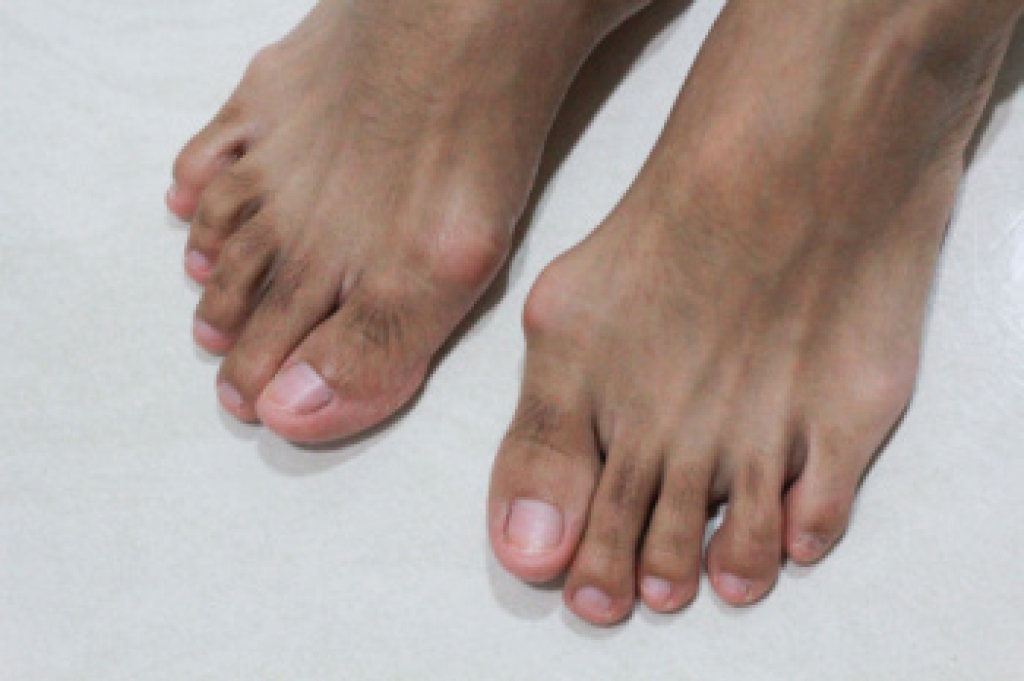
When Foot Surgery May Be the Right Option

Foot surgery may be recommended when ongoing foot pain, deformity, or injury does not improve with appropriate medical care. Many foot conditions can be managed without surgery, but some cases require a surgical procedure to restore function or relieve persistent discomfort. Foot surgery may be considered for certain problems, such as severe bunions, hammertoes, or fractures, that have affected normal foot alignment. Depending on the condition, surgery may also improve mobility and make walking more comfortable. Every patient is different, so the decision is based on the type of problem, its severity, and how much it affects daily activities. A thorough evaluation by a podiatrist helps determine whether surgery is an appropriate treatment option.


Before recommending foot surgery, a podiatrist carefully examines the foot and reviews the patient's symptoms, medical history, and imaging studies when needed. This evaluation helps identify the underlying cause of pain and determine the most effective treatment plan. The goal of surgery is to improve foot function while reducing pain and correcting structural problems. Recovery time depends on the procedure performed and the condition being treated. Regular follow-up appointments are an important part of the healing process because they allow progress to be monitored and treatment plans to be adjusted if necessary. Careful planning before surgery also helps patients understand what to expect throughout recovery.


Podiatrists are specially trained to diagnose foot conditions and perform surgical procedures when they are medically necessary. They also provide comprehensive care before and after surgery to support healing and help patients return to normal activities safely. Professional treatment focuses on restoring mobility, improving foot function, and reducing the risk of future complications. Early evaluation is important because delaying care may allow certain foot conditions to worsen. If chronic foot pain, a deformity, or a serious foot injury is limiting your daily activities, it is suggested that you consult a podiatrist for an evaluation and appropriate treatment options.

Foot surgery is sometimes necessary to treat a foot ailment. To learn more, contact one of our podiatrists of VIP Foot & Ankle Center. Our doctors will assist you with all of your foot and ankle needs.

When Is Surgery Necessary?

Foot and ankle surgery is generally reserved for cases in which less invasive, conservative procedures have failed to alleviate the problem. Some of the cases in which surgery may be necessary include:

  • Removing foot deformities like bunions and bone spurs
  • Severe arthritis that has caused bone issues
  • Cosmetic reconstruction

What Types of Surgery Are There?

The type of surgery you receive will depend on the nature of the problem you have. Some of the possible surgeries include:

  • Bunionectomy for painful bunions
  • Surgical fusion for realignment of bones
  • Neuropathy decompression surgery to treat nerve damage

Benefits of Surgery

Although surgery is usually a last resort, it can provide more complete pain relief compared to non-surgical methods and may allow you to finally resume full activity.

Surgical techniques have also become increasingly sophisticated. Techniques like endoscopic surgery allow for smaller incisions and faster recovery times.

If you have any questions, please feel free to contact our office located in Pembroke Pines, FL . We offer the newest diagnostic and treatment technologies for all your foot care needs.


Read more about Foot Surgery

Understanding the Connection Between Obesity and Foot Pain

Obesity can place significant stress on the feet because they support the body's weight with every step. As body weight increases, the bones, joints, and soft tissues in the feet must absorb greater pressure during standing and walking. This added stress may contribute to foot pain, reduced mobility, and changes in the way the feet function. People who are overweight may be more likely to develop heel pain, flat feet, or arthritis affecting the foot and ankle. Ongoing discomfort can make everyday activities more difficult and may reduce overall physical activity. Because foot pain has many possible causes, a professional evaluation is important to identify the underlying problem and recommend the most appropriate treatment.


Excess weight can also affect the structure of the feet and alter normal walking patterns. As movement patterns change, additional strain may be placed on the ankles, knees, and hips. This altered body mechanics can increase discomfort and reduce stability over time. Obesity has also been linked to a higher risk of tendon problems and joint degeneration in the feet. A thorough podiatry evaluation helps determine how weight-related changes are affecting foot function and mobility. Identifying these concerns early allows treatment to focus on relieving pain, improving movement, and helping prevent further complications.


A podiatrist plays an important role in evaluating and treating foot problems related to obesity. During an examination, the podiatrist assesses foot structure, walking mechanics, and joint function to identify the source of discomfort. Treatment is tailored to each patient's condition and focuses on reducing pain, improving mobility, and supporting healthier foot function. Regular podiatry care may also help reduce stress on the feet and monitor changes before they become more severe. If foot pain or difficulty walking is affecting your daily life, it is suggested that you consult a podiatrist for an evaluation and appropriate treatment options.

The more you weigh, the harder your feet must work to support your body. If you’re an obese individual and are concerned about your feet, contact one of our podiatrists from VIP Foot & Ankle Center. Our doctors can provide the care you need to keep you pain-free and on your feet.

Obesity and Your Feet

People who are overweight are putting more pressure on their ankles, knees, and hips as well as their feet. This unfortunately can lead to variety of different issues.

Problems & Complications Stemming from Obesity

  • When the body is overweight, it tries to compensate by changing the way that it moves. An obese person may lean forward and put extra weight on the wrong part of the foot. This puts unnecessary stress on the feet.
  • Obese people are also more likely to develop type II diabetes which is a condition that causes a lot of foot problems. People with diabetes often don’t feel the cuts and sores that they may have on their feet, which can lead to more complicated and severe issues.
  • Plantar fasciitis is another foot condition that can be caused by obesity. Plantar fasciitis is an inflammation of the tissue along the bottom of the foot, which causes pain and stiffness while walking and climbing stairs.

If you have any questions please contact our office located in Pembroke Pines, FL . We offer the newest diagnostic and treatment technologies for all your foot and ankle needs.

Read more about Obesity and the Feet

Plantar Warts Can Be Treated!

Plantar warts are small growths that develop on parts of the feet that bear weight. They're typically found on the bottom of the foot. Don't live with plantar warts, and call us today!

Causes and Symptoms of Bunions

A bunion is a change in foot shape that develops when the big toe slowly shifts toward the smaller toes. As the toe moves, the joint at its base becomes more prominent, and forms a bump along the side of the foot. Doctors call this condition hallux valgus, but bunion is the name most people recognize. Some bunions cause very little discomfort, while others lead to pain that makes standing and walking difficult. The enlarged joint can become swollen, tender, and irritated from pressure inside shoes. The big toe can also crowd nearby toes, causing them to rub together or change position. As the deformity progresses, the joint can become stiff, making it harder to move the toe comfortably.

Several factors increase the chance of developing a bunion. Family history is one of the most important, because inherited foot structure can place extra stress on the big toe joint. Flat feet and joint diseases like rheumatoid arthritis also increase the risk. Shoes that lack proper support, especially narrow styles or high heels, do not usually cause bunions by themselves. They can make an existing bunion more painful and allow the deformity to progress. A podiatrist can diagnose the bunion by examining the foot, checking toe movement, and watching how the patient stands and walks. Standing X-rays show bone alignment and help determine the severity of the bunion.

Treatment depends on the amount of pain, the severity of the bunion, and its effect on daily activities. A podiatrist can recommend properly fitted shoes, custom orthotics, and protective padding to reduce pressure on the joint. These treatments improve comfort and help patients stay active. When the deformity becomes severe and continues to interfere with walking, surgery can straighten the big toe and improve foot alignment. If you have pain from a bunion, it is suggested that you schedule an appointment with a podiatrist for diagnosis and appropriate treatment.

If you are suffering from bunions, contact one of our podiatrists of VIP Foot & Ankle Center. Our doctors can provide the care you need to keep you pain-free and on your feet.

What Is a Bunion?

A bunion is formed of swollen tissue or an enlargement of boney growth, usually located at the base joint of the toe that connects to the foot. The swelling occurs due to the bones in the big toe shifting inward, which impacts the other toes of the foot. This causes the area around the base of the big toe to become inflamed and painful.

Why Do Bunions Form?

Genetics – Susceptibility to bunions are often hereditary

Stress on the feet – Poorly fitted and uncomfortable footwear that places stress on feet, such as heels, can worsen existing bunions

How Are Bunions Diagnosed?

Podiatrists often perform two tests – blood tests and x-rays – when trying to diagnose bunions, especially in the early stages of development. Blood tests help determine if the foot pain is being caused by something else, such as arthritis, while x-rays provide a clear picture of your bone structure to your provider.

How Are Bunions Treated?

  • Refrain from wearing heels or similar shoes that cause discomfort
  • Select wider shoes that can provide more comfort and reduce pain
  • Anti-inflammatory and pain management drugs
  • Orthotics or foot inserts
  • Surgery

If you have any questions, please feel free to contact our office located in Pembroke Pines, FL . We offer the newest diagnostic and treatment technologies for all your foot care needs.

Read more about Bunions
Advanced Podiatric Procedures & Services in the Miami, Pembroke Pines, Miami Gardens, Hollywood, Hallandale Beach, Davie, Dania Beach, North Miami, Hialeah, Fort Lauderdale areas