
If you need a more accessible version of this website, click this button on the right.
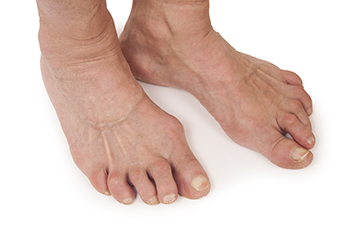
Rheumatoid arthritis is a type of autoimmune disease that often attacks the feet and ankles first. This type of arthritis comes from the immune system attacking joint linings and weakening ligaments. It can result in pain, swelling, stiffness, and deformity, and it can impact balance and mobility making it hard to stand or walk safely. Nodules or lumps on the feet can rub against shoes when walking and hammertoes or bunions can develop. This type of arthritis is three times more apt to affect women than men. As the disease progresses, the joint damage can become so severe that there is a complete loss of joint function and joint-replacement surgery is necessary. If you are suffering from the discomfort of rheumatoid arthritis in your feet or ankles, it is suggested that you see a podiatrist for suggestions on how to live life more comfortably.
Because RA affects more than just your joints, including the joints in your feet and ankles, it is important to seek early diagnosis from your podiatrist if you feel like the pain in your feet might be caused by RA. For more information, contact Dr. Nooshin Zolfaghari of VIP Foot & Ankle Center. Our doctor will assist you with all of your podiatric concerns.
What Is Rheumatoid Arthritis?
Rheumatoid Arthritis (RA) is an autoimmune disorder in which the body’s own immune system attacks the membranes surrounding the joints. Inflammation of the lining and eventually the destruction of the joint’s cartilage and bone occur, causing severe pain and immobility.
Rheumatoid Arthritis of the Feet
Although RA usually attacks multiple bones and joints throughout the entire body, almost 90 percent of cases result in pain in the foot or ankle area.
Symptoms
Diagnosis
Quick diagnosis of RA in the feet is important so that the podiatrist can treat the area effectively. Your doctor will ask you about your medical history, occupation, and lifestyle to determine the origin of the condition. Rheumatoid Factor tests help to determine if someone is affected by the disease.
If you have any questions please feel free to contact our office located in Pembroke Pines, FL . We offer the newest diagnostic and treatment technologies for all your foot and ankle needs.

Running as a physical activity can be extremely beneficial to overall health. It can also be a source of injury and pain. For that reason, beginning runners are wise to learn how to protect themselves from harm. First, it may be a good idea to check in with a medical professional before undertaking this strenuous activity. Next, establishing a running routine for maximum safety is encouraged. Starting out slowly with a walk-run is wise, including warming up and cooling down exercises before and after a run. Probably the most important element of safety in running is investing in proper footwear. Wearing shoes especially built for running is not only practical, it is necessary for the health of your toes, feet, and ankles. Further, the type of surface you choose to run on factors into the choice of footwear. Existing foot or ankle ailments may also play a role in shoe selection, and experts suggest having two or more pairs of shoes that can be alternated. Cross-training with activities, such as swimming, is a good way to give the feet and legs a rest between runs and help ward off injury. For more information on preventing injury from running, it is suggested that you consult a podiatrist.
All runners should take extra precaution when trying to avoid injury. If you have any concerns about your feet, contact Dr. Nooshin Zolfaghari of VIP Foot & Ankle Center. Our doctor will treat your foot and ankle needs.
How to Prevent Running Injuries
There are a lot of mistakes a runner can make prior to a workout that can induce injury. A lot of athletes tend to overstretch before running, instead of saving those workouts for a post-run routine. Deep lunges and hand-to-toe hamstring pulls should be performed after a workout instead of during a warmup. Another common mistake is jumping into an intense routine before your body is physically prepared for it. You should try to ease your way into long-distance running instead of forcing yourself to rush into it.
More Tips for Preventing Injury
If you have any questions, please feel free to contact our office located in Pembroke Pines, FL . We offer the newest diagnostic and treatment technologies for all your foot care needs.
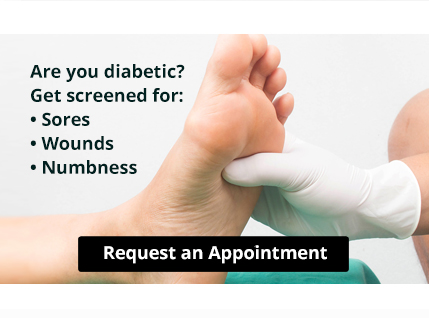
Your feet are covered most of the day. If you're diabetic, periodic screening is important for good health. Numbness is often a sign of diabetic foot and can mask a sore or wound.
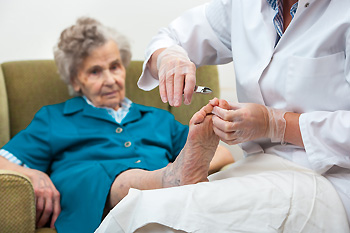
Healthy feet allow seniors to stay independent longer. Foot care is essential to reaching this goal and keeping senior feet comfortable and healthy. Since the feet take one through a lifetime of mobility, it stands to reason that aging feet need extra attention. Over time, feet become flatter and wider. The fatty padding on the foot naturally wears down, and the bones and joints are exposed to more wear and tear. Simple foot problems, like blisters, can interfere with mobility and balance in older adults. More serious foot conditions, like ingrown toenails, sprains, or fractures, can increase the risk of falling and result in various health conditions. Simple foot care tips to help keep feet as healthy as possible include washing, drying, and moisturizing the feet daily, trimming nails straight across, and examining the feet for abnormalities, such as sores. Wearing properly fitted shoes that are sturdy and low-heeled is recommended. If you are an older person or taking care of one, it is suggested that you include a podiatrist among the doctors you visit to monitor any problems brewing and continue caring for the feet.
Proper foot care is something many older adults forget to consider. If you have any concerns about your feet and ankles, contact Dr. Nooshin Zolfaghari from VIP Foot & Ankle Center. Our doctor can provide the care you need to keep you pain-free and on your feet.
The Elderly and Their Feet
As we age we start to notice many changes in our body, but the elder population may not notice them right away. Medical conditions may prevent the elderly to take notice of their foot health right away. Poor vision is a lead contributor to not taking action for the elderly.
Common Conditions
Susceptible Infections
Diabetes and poor circulation can cause general loss of sensitivity over the years, turning a simple cut into a serious issue.
If you have any questions please feel free to contact our office located in Pembroke Pines, FL . We offer the newest diagnostic and treatment technologies for all your foot and ankle needs.
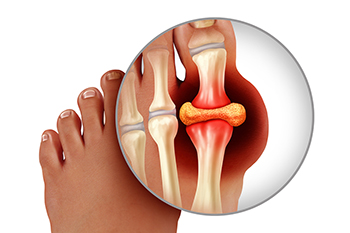
Gout is a type of inflammatory arthritis where too much uric acid in the body causes sharp crystals to form in joints. Uric acid forms when the body breaks down chemical compounds called purines. Purines are naturally produced by the body, and they also come from the foods we eat. Foods higher in purines include animal organ products, certain seafood, soda with fructose, and alcohol. Gout can cause pain, redness, and swelling in and around the joints of the feet. It is particularly common in the big toe. While gout typically affects adults, it can also happen to children. Pediatric gout is rare, more common in males, and is usually linked to underlying medical conditions, including obesity, Down syndrome, and congenital heart disease. If your child is complaining of big toe pain, it is strongly suggested that you take them to a podiatrist for a proper diagnosis and treatment.
Gout is a foot condition that requires certain treatment and care. If you are seeking treatment, contact Dr. Nooshin Zolfaghari from VIP Foot & Ankle Center. Our doctor will treat your foot and ankle needs.
What Is Gout?
Gout is a type of arthritis caused by a buildup of uric acid in the bloodstream. It often develops in the foot, especially the big toe area, although it can manifest in other parts of the body as well. Gout can make walking and standing very painful and is especially common in diabetics and the obese.
People typically get gout because of a poor diet. Genetic predisposition is also a factor. The children of parents who have had gout frequently have a chance of developing it themselves.
Gout can easily be identified by redness and inflammation of the big toe and the surrounding areas of the foot. Other symptoms include extreme fatigue, joint pain, and running high fevers. Sometimes corticosteroid drugs can be prescribed to treat gout, but the best way to combat this disease is to get more exercise and eat a better diet.
If you have any questions please feel free to contact our office located in Pembroke Pines, FL . We offer the newest diagnostic and treatment technologies for all your foot and ankle needs.


 VIP Foot and Ankle Center - Default